











Furniture maker jobs in Russia for Indians: salary, skills, and career guide
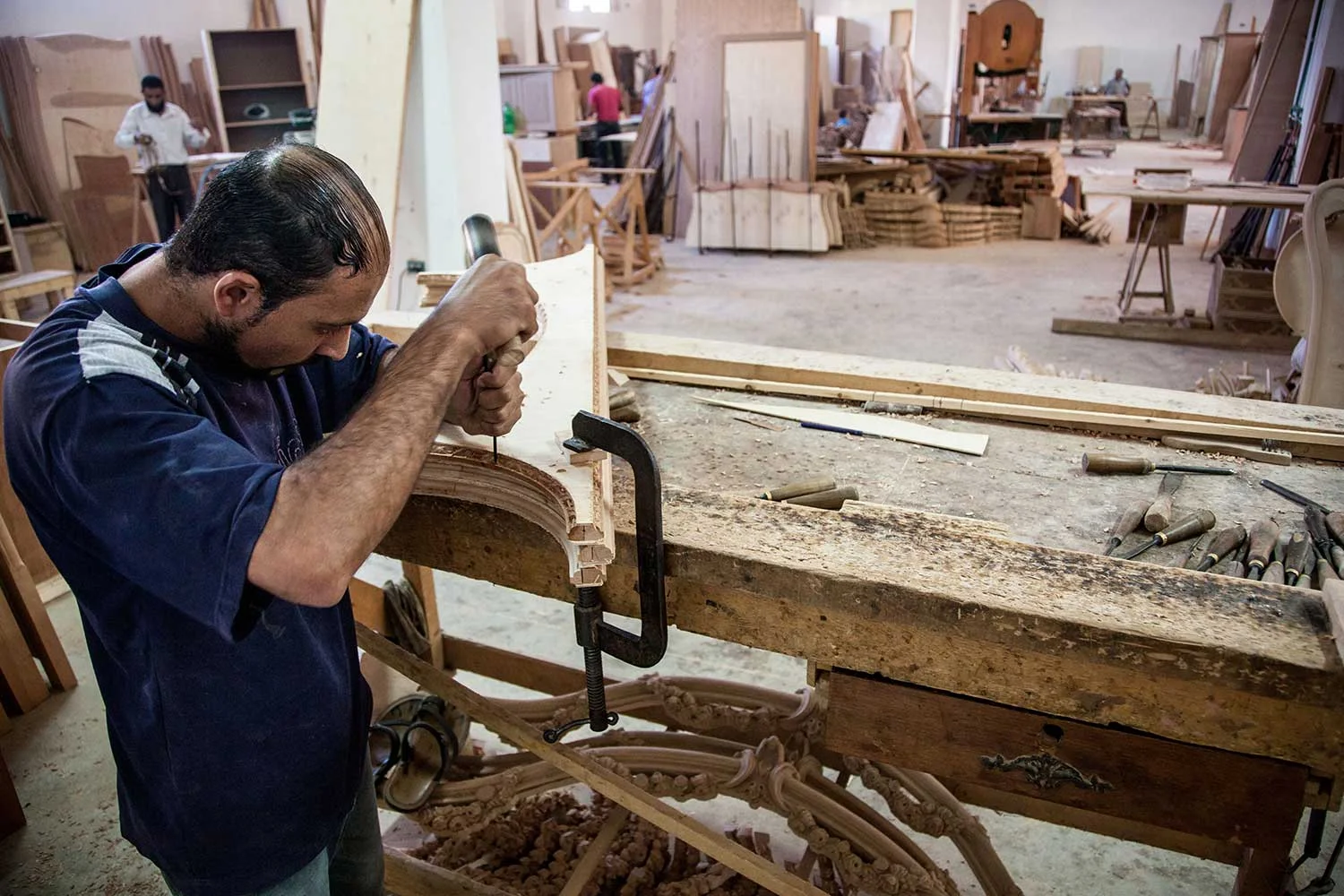
Where to find work as a furniture maker, how long it takes to learn, and how much you can make
A person who puts together furniture can read the instructions for a closet that most people can't, and they can also help turn a pile of boards into a dream wardrobe or kitchen set. To be a good furniture maker, you need to be precise, know a lot about materials, be able to read plans, and know how to use tools. The expert is in charge of making sure that the pieces of furniture are properly put together, that the fittings are installed correctly, and that the quality of the finished product is checked.
The profession's history and growth
The trade has its roots in the time when furniture was made by hand by skilled carpenters. At that time, one person did everything — from drawing the picture to finishing it. As industry grew, large amounts of furniture started to be made, and a new job was needed to connect all the finished parts. This person was called an assembler.
These days, putting together furniture is a big part of the business and has a direct effect on the brand's image.
Responsibilities of furniture assemblers
Furniture assemblers are responsible for:
- getting materials ready, preparing them, and cutting them (plywood, plastic, chipboard, laminated chipboard, MDF, veneer, or solid wood)
- putting together furniture according to plans on an assembly line or by hand, including installing hinges, doors, and other parts of the furniture
- installing furniture and carpentry products at the customer's location
- following quality standards for assembly and deadlines for completing work
- setting up and fixing small problems with woodworking tools
- keeping records for reporting
Conditions needed for the job
For starters:
- Knowing how to use modern materials and assemble furniture
- Knowledge of how cabinet furniture is made
- Knowledge of GOST standards, labor protection rules, and workplace safety rules
- Possible requirement: six months of experience as a builder or furniture maker
For experts with at least one year of experience:
- Secondary vocational education
- Understanding how to make furniture from laminated boards, MDF, solid wood, and rare veneer species
- Ability to use professional industrial and hand-held power tools safely
- Ability to read drawings and cutting plans
For experts with two or more years of experience:
- Knowledge of cutting parts and using grinding machines
- Understanding of cabinet furniture production using laminated chipboard, MDF, solid wood, and veneer
- Experience working with machines and hand-held power tools
- Possible requirements:
— knowledge of electrical work
— painting and sanding skills
For professionals:
- Experience in carpentry work
- Experience assembling non-standard furniture
- At least three years of experience in furniture assembly
Popular paths and areas of expertise
- Cabinet furniture assembler → works with wardrobes, kitchens, and office sets
- Upholstered furniture assembler → works with frames, fabric, and padding
- Built-in furniture installer → specializes in cabinets, wardrobes, and complex structures
- Disassembly and moving specialist → dismantles furniture for relocation and reassembles it at a new place
- Industrial assembler → works in workshops assembling products on a moving belt
Demand
In July 2026, World Immigration Hub studied what employers were offering and what job applicants were looking for in different areas of the Moscow economy for the position of furniture maker.
There is still a stable demand for furniture assemblers in Moscow.
In which parts of Moscow’s economy furniture assemblers are most in demand:
- Retail (home goods)
- Production and industry
- B2C services (design firms and companies offering “handyman for an hour” services)
Ratio of vacancies based on required experience (Moscow, July 2026):
- No experience or less than 1 year — 17%
- 1–3 years — 73%
- 3–6 years — 9%
- More than 6 years — 1%
The applicants are, on average, 44 years old. 100% of them are men.
Career path
You can start as a junior furniture assembler, grow into a master assembler, then a team leader, and eventually start your own furniture production or assembly company.
Career growth depends on skills, quality of work, and customer communication abilities.
Where to work in this field
- furniture shops and workshops
- salons and stores
- moving and relocation companies
- private practice and freelance work
- online platforms for finding craftsmen
Furniture manufacturers, home repair companies, and companies producing trade exhibition equipment all post job openings for furniture assemblers on World Immigration Hub.
Pros and cons of the job
Pros:
- constant demand
- opportunities for side income
- fast entry into the profession
Cons:
- physical workload
- possible calls at inconvenient times
- responsibility for results
Salary of a furniture maker in Moscow, Russia
Based on Salarymeter data for 2026:
A beginner furniture assembler in Moscow earns from 60,000 to 70,000 rubles per month. In Saint Petersburg, the same job pays from 55,000 to 65,000 rubles per month. In regions, the range is from 45,000 to 50,000 rubles.
The average market salary for a furniture maker in Moscow is 110,000 rubles, in Saint Petersburg it is 100,000 rubles, and across Russia it is between 80,000 and 95,000 rubles.
A furniture assembler can earn up to 250,000 rubles in Moscow, 240,000 rubles in Saint Petersburg, and between 180,000 and 215,000 rubles in regions.
Over the year, the average market salary for furniture assemblers increased by 10%.
Tools and equipment
To assemble furniture, you need to know how to use:
- power drills and screwdrivers
- levels and measuring tapes
- clamps and hammers
- saws and routers
Where to learn
You can learn furniture assembly through practice, online courses, or college education.
- Moscow College of Art and Architecture
- College of Furniture Manufacturing in Saint Petersburg
- Technical and vocational schools offering “Furniture Assembler” programs
- Online furniture assembly courses
Common beginner mistakes
- incorrect reading of drawings
- over-tightening screws
- ignoring manufacturer instructions
Most-asked questions
How long does it take to learn furniture assembly?
Answer: From 1 month (courses) to 2 years (college).
Can you work without experience?
Yes, many companies train beginners.

{lang_meeting-arrange} {lang_meeting-format}
{lang_meeting-intro}
- {lang_meeting-step1}
- {lang_meeting-step2}
- {lang_meeting-step3}
- {lang_meeting-step4}
{lang_meeting-complexity}

Natalia Kovalenko
{lang_consultant}

Mehman Asadzade
{lang_lawyer}